







 21% THCa

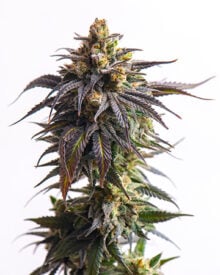
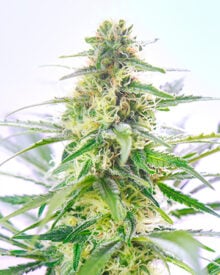
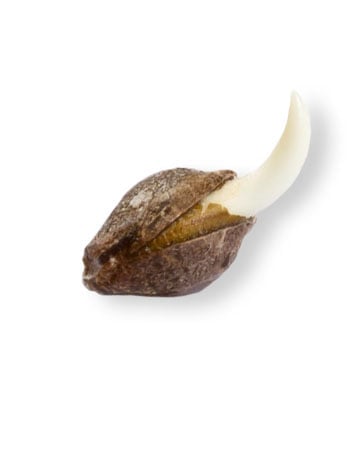
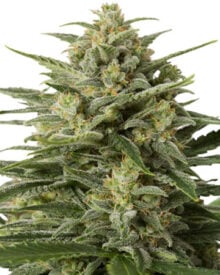
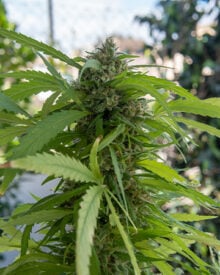
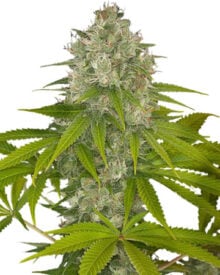
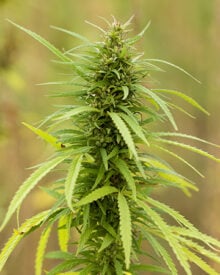
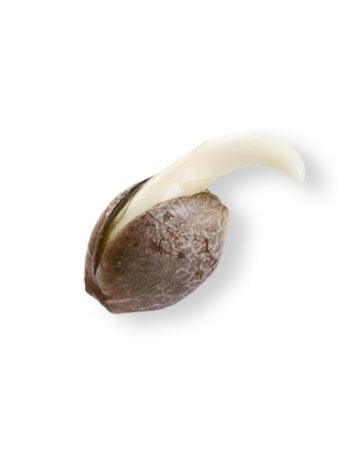
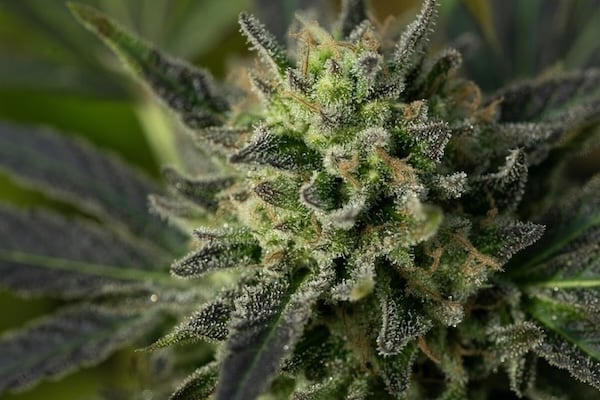
After weeks of watching your cannabis plants grow, they’re approaching full maturity. While this stage can spark anticipation, especially for those new to the growing game, there’s an important skill that will help any cultivator truly stick the landing: knowing when to harvest cannabis. A week too early, and you may miss out on meaningful amounts of flower weight. Too late, and the chemistry of the buds may change, as THC can degrade into CBN as cannabis ages (Stack et al., 2021; Zamengo et al., 2019).
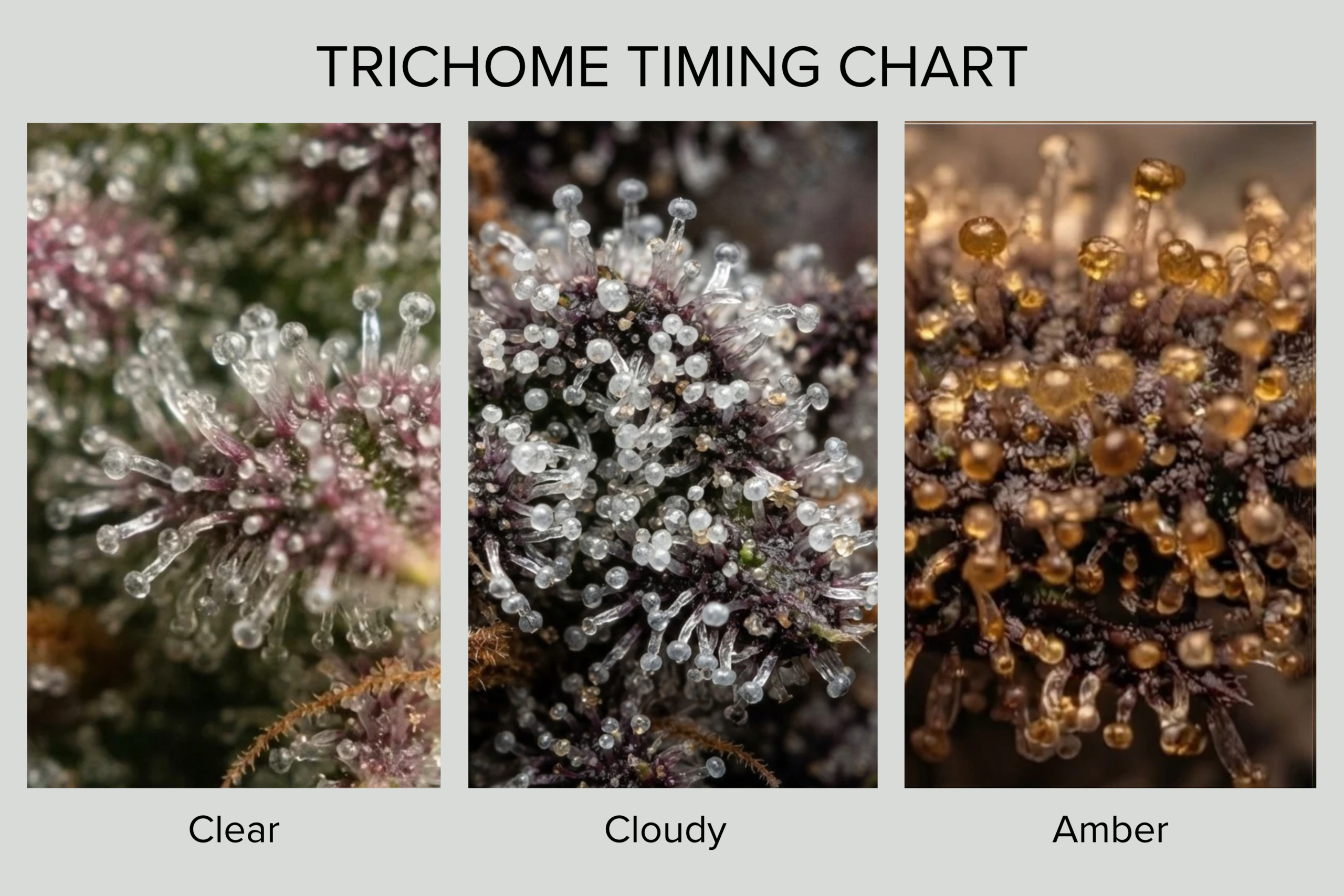
So, when should you harvest cannabis? While flowering times are good to know, the appearance of the flowers can provide more useful clues than day count alone. This is because the trichomes on each bud shift in tone throughout the flowering stage, providing key pieces of info along the way. As a general rule of thumb, growers typically consider 70–90% cloudy and 5–20% amber trichomes as a clear sign it’s time to harvest.
While this exact ratio won’t guarantee the same outcomes across cultivars or environments, many growers find it a helpful way to gauge the maturity of their plants, alongside using a magnifying device. Cannabis research reinforces this point, reporting significant variation in the flowering times and biomass production among cannabis cultivars and growing locations. (Stack et al., 2021).
Identifying Peak Maturity: 3 Key Clues
Cannabis trichomes are the most useful indicator of flower maturity. During the flowering stage, their heads progress, visually, from clear to cloudy to amber, or gold. Pistils, the hair-like structures that sprout from the flowers themselves, offer another, slightly subtler, hint, with many deepening in tone and curling inward as the plants become mature. Other harvest-ready signs can appear across your plants during this time, such as slightly faded fan leaves and slowed bud growth. This guide walks you through all three stages and provides close-up images to help you know what to look for.
What Are Trichomes and Why They Decide Your Harvest Date
The frosting coating you’ve seen on mature flowers and sugar leaves is primarily made up of tiny, glandular structures called trichomes. These wisp-like portions of the plant produce and store cannabinoids and terpenes. There are three main types of trichomes found on cannabis flowers: bulbous, capitate-sessile, and capitate-stalked.
The capitate-stalked trichomes are the ones that are most important to remember right now: they’re the ones growers look for when zeroing in on the right harvest time. These structures typically have a visible stalk topped by a rounded, mushroom-shaped head—and are the largest of the three types. They also produce the greatest amounts of cannabinoids and are particularly abundant on mature female flowers (Livingston et al., 2020).
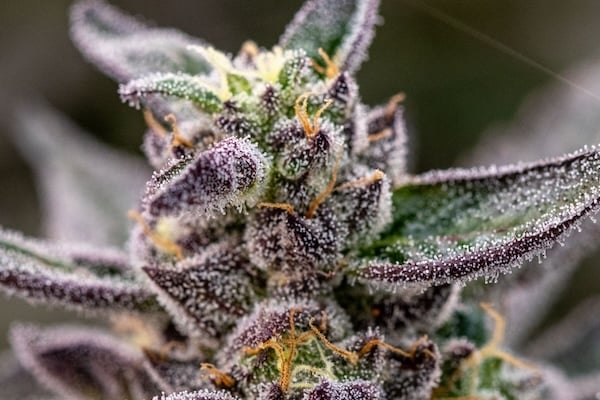
When to Harvest Weed: Why Trichomes Are the Key
Growers typically harvest when the trichomes are mostly cloudy, with hints of gold. Beyond this point, THC can also oxidize into CBN as cannabis ages. That said, the relationship between trichome color and cannabinoid chemistry isn’t necessarily represented by three simple colors. (Aizpurua-Olaizola et al., 2016; Zamengo et al., 2019).
Putting off your cannabis harvest can cause issues because, as volatile compounds, terpenes can degrade as cannabis ages. Research tracking cannabis plants throughout the flowering stage suggests that terpene production changes with maturation and varies considerably among chemotypes, while research on stored cannabis shows that terpene content can decline as inflorescence ages (Aizpurua-Olaizola et al., 2016; Bueno et al., 2020).
That means timing your cannabis harvest involves a trade-off between allowing the flowers to reach cannabinoid maturity and preserving their rich, aromatic compounds. In other words, the goal isn’t simply to wait as long as possible. Let the trichomes tell the story: they’ll provide a visual window into your plants’ maturity levels and help you decide when the balance is right.
How to Read Trichomes on Weed: Clarity and Color
Trichomes on weed provide vivid, visual clues that suggest where your plants are in their life cycle. Below, we’ll walk through three visible signs, how to spot them, and what they each mean.
Clear Trichomes: Not Ready
Clear trichomes look glassy and transparent, with heads that have not yet reached the mature cloudy stage. If most of the trichomes on the flower are still clear, it’s usually a good call to wait another week or so. Still, there is no scientifically fixed “one to two weeks” rule, as trichome development varies by cultivar and growing conditions (Carvalho et al., 2023; Aizpurua-Olaizola et al., 2016).
Cloudy or Milky Trichomes: Peak THC
Cloudy trichomes have opaque, milky-white heads that resemble frosted glass. This is the stage growers commonly describe as the peak-THC harvest window. Harvesting at this point tends to produce a relatively more “alert” high, whereas waiting for stronger amber tones tends to play up a hybrid’s indica side. While research does suggest that trichome maturation is associated with the transition from clear to milky to amber, cannabinoid accumulation doesn’t necessarily follow one fixed, universal timetable. For this reason, tracking your plants based on their color is best understood as reliable—yet anecdotal—advice, rather than a scientifically backed, clear-cut threshold (Carvalho et al., 2023; Aizpurua-Olaizola et al., 2016).
Amber Trichomes: Past Peak
Amber, gold, or orange tones have long been viewed by growers as a key sign that their plants have progressed well into a fully mature state. At this point, THC can begin to degrade through oxidation into CBN, a separate, less intoxicating cannabinoid. Research supports this pattern, associating amber hues with later-stage maturation and oxidation within the glands (Punja et al., 2023).
Still, amber tones aren’t necessarily a clear-cut sign you’ve missed your harvest date. In fact, many growers prefer to wait slightly longer, allowing the buds to take on subtle hints of gold. This is because a relatively small proportion of rich, honey-colored tones has long been associated with a more sedating high. While a review found insufficient clinical support for CBN’s reputation as a sleep-promoting or strongly sedating cannabinoid (Sexton, 2021), many growers have noticed this pattern repeatedly. Ultimately, your own experiences are what matter. If you prefer a slower, more indica-influenced high, harvesting the same strain at different times can be a useful way to understand the right timing.
If we stick to practical grower knowledge, it’s common to see targets like:
- More energetic/daytime: about 70% cloudy, 5–10% amber
- Balanced: about 80% cloudy, 10–15% amber
- Heavier/sedating: about 20–30% amber
Trichomes Chart
The following visual illustrates what cannabis trichomes look like at various points in the flowering phase. When checking the trichomes, make sure you’re checking the right part of the plant. One common beginner mistake is involves focusing on the sugar leaves. These can sometimes take on an amber shade before the rest of the flower, and as a result, give the false impression that your plants are harvest-ready when considered alone. An easy way to avoid this outcome is by checking the trichomes covering the actual surface of a flower—especially the bracts and calyxes. If a stalk looks amber while the head is still cloudy, just remember the head is what counts.
How to Actually Check Your Trichomes
You don’t need expensive equipment to inspect trichomes. A 30–60x jeweler’s loupe is the cheapest option, with basic, illuminated models currently available for anywhere from $8–$30. A 60–100x handheld digital microscope, connected by USB or wirelessly to a phone or computer, is a little pricier at $50–$100, with the upside being you’ll have a larger image to work with. A clip-on phone macro lens is another inexpensive option, typically around $10–$25. These are especially useful if you want to capture photos as you inspect the buds.
Whatever tool you use, check the flowers in good, even light. Keep the plant steady rather than trying to steady the scope against a moving branch. Examine at least three to five locations across the plant, since flowers in different positions can mature at different rates. Upper colas may reach maturity before lower flowers, so checking only one location can give you a misleading picture.
For more consistent comparisons, mark a few branches and return to those same sites each time. That way, you’re tracking how the trichomes are changing rather than comparing different parts of the plant. Start checking around the beginning of the breeder’s stated flowering-time window, then check every day or two as the plant approaches maturity. Changes during the final stretch can happen quickly, and regular checks make it easier to spot the shift from mostly clear to predominantly cloudy.
Some growers opt to cut a small piece of flower and examine it under a microscope. This is a completely reasonable way to take a closer look, but remember that doing so will remove some of your harvest. If maximizing yields is your primary goal, inspect the trichomes on the living plant instead.
Pistils, Leaves, and Other Supporting Signs
Pistils are the white, hair-like structures that emerge from cannabis flowers. As the buds mature, many pistils darken from white to orange or brown and curl inward toward the flower. Roughly 60–70% darkened pistils can indicate that a plant is approaching readiness, while 80–90% suggests a later stage of maturity. Like the other topics we’ve discussed, these ranges are based more on anecdotal grower advice than scientifically backed data. Still, time-tested approaches have their has its own kind of value, as real-life, hands-on experience can still identify relevant patterns in the way cannabis grows. Finally, remember that pistil development can also be affected by environmental conditions and physical contact, making pistils a useful supporting signal but not the deciding factor.
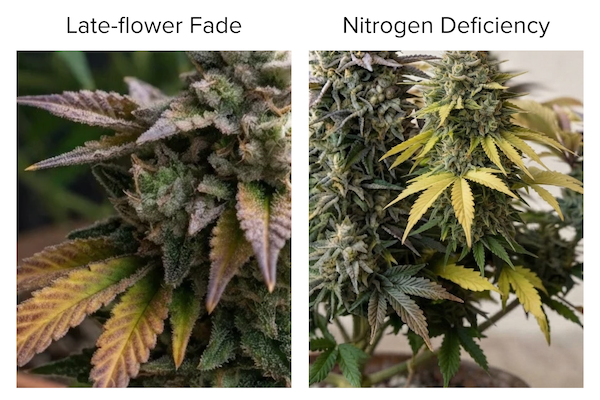
Nitrogen Deficiency vs. Late-Flower Fade
Sometimes, new growers notice a golden cast to the leaves as harvest nears and believe it could mean there’s an issue with their plants. While yellowing leaves can be a sign of nitrogen deficiency, warmer hues may also point to the natural process of late-flower fade. Still, the two are easy to confuse.
While they may look similar at first glance, distinguishing one from the other involves timing and progression. Nitrogen deficiency typically causes older, lower leaves to yellow prematurely, often progressing upward as the shortage worsens. Late-flower fade, by contrast, is a natural part of maturation. As a practical rule of thumb, focus on the plant’s stage of development and the location of the affected leaves, rather than the color alone. This can help you avoid adding unnecessary nitrogen if the plant is simply finishing its flowering cycle.
Watch the Bud Shape
As flowers mature, the calyxes swell, and the buds become fuller and more compact. This change in flower structure indicates, visually, that the flowers are becoming more mature. Research on cannabis inflorescence development has documented this change in bud structure as the plants mature (Bernstein et al., 2020). Rather than watching for a specific number of days, look for a noticeable change in the overall shape and density of the flowers.
Fan Leaves
Yellowing fan leaves are another common late-flowering signal. As the plant nears harvest, nutrients can be redistributed from older leaves to developing reproductive tissues, causing some leaves to fade and yellow. Late-flower yellowing may look concerning, but it’s not necessarily a deficiency that needs correcting. Still, the timing of this change works best as supporting evidence, and doesn’t tell the full story of plant maturity on its own.
Aroma
The scent of a flowering plant can also change as the flowers mature. Terpenes are produced in glandular trichomes, and research has found that terpene production and composition change as cannabis flowers develop, with patterns varying substantially among cultivars (Livingston et al., 2020; Aizpurua-Olaizola et al., 2016). A noticeable increase or shift in aroma can therefore accompany late flower, but smell alone is not a reliable way to determine harvest readiness.
The rule of thumb is simple: when pistils and trichomes disagree, trichomes win. Pistils, swelling flowers, fading leaves, and changing aroma help you read the bigger picture. Still, knowing how to spot the trichomes’ stages remains the most useful visual indicator of maturity.
How to Harvest Weed: Indoor, Outdoor, and Autoflower Grows
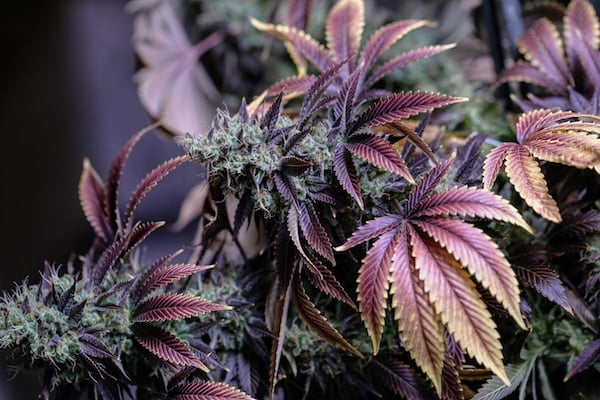
Where your plants grow changes how you plan the harvest. Indoors, genetics and the flowering schedule are the main factors. Outdoors, the calendar and weather can impose a deadline. Autoflowers follow their own timetable.
When to Harvest Cannabis Indoors
Photoperiod plants will flip to the flowering stage in response to 12 hours of light and 12 hours of dark. As a rough guide, indica-dominant cultivars often complete the flowering stage in approximately 7–9 weeks, while sativa-dominant varieties may take 10–14 weeks or longer, and hybrids fall somewhere between.
Our listings can fall anywhere in the approximate range of 6–14 weeks, with many varieties flowering in about 8- 10 weeks.
Grower Tip: Flowering time starts the first day a plant begins to flower— not from the day the seed was planted. If you’re exploring different strains, be sure to check that specific cultivar’s flowering time instead of relying on rough indica/sativa flowering times.
When to Harvest Cannabis Outdoors
Outdoor harvest timing is more constrained. Across much of the United States, photoperiod plants commonly finish from late September through October, with the exact window shifting considerably by latitude and local climate. For a sense of the regional spread, the Pacific Northwest typically has its first frost in early-to-mid November, while the Midwest hovers around late October.
If we go further south, the first frost may not occur until early-to-mid December. Still, these dates should be viewed as approximate targets, not fixed cutoffs. In the Pacific Northwest, autumn rain can become a problem well before frost, while outdoor growers in colder, northern or inland regions may need to move up their harvest date well before the first frost.
The bottom line: weather can ultimately overrule the trichomes. An early frost, prolonged wet weather, or other severe conditions may force an earlier harvest. This is particularly important if you’ve encountered issues such as Botrytis, commonly known as bud rot.
Grower Tip: In humid conditions, Botrytis can spread through dense flowers with intimidating speed. The disease can develop inside a week in some conditions. Humid or wet environments, in particular, can cause the infection to spread rapidly. If bud rot is established in a plant approaching harvest, many growers decide to move their harvest date up. Losing some maturity is preferable to allowing the disease to consume more of the crop.
Autoflower Grows
Autoflowers begin flowering according to age rather than a change in light cycle. Many finish in roughly 8–12 weeks from seed, although current Growers Choice listings range beyond that window. Because maturity can vary between flowers on the same plant, check several sites rather than assuming the whole plant is ready at once.
Staggered Harvests
Upper colas generally receive more light than lower flowers, and differences in light exposure can translate into differences in flower development and maturity. For larger plants, a staggered harvest can therefore make sense: harvest the mature upper colas first, then leave the lower flowers another 7–10 days to continue developing.
What to Do in the Final Two Weeks
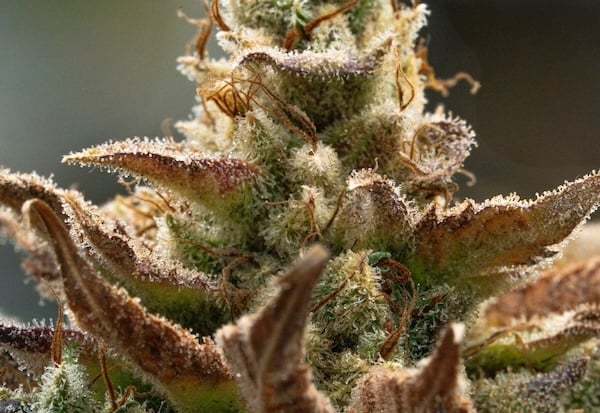
Once your trichomes are telling you harvest is close, a few final preparations can help you protect the crop and make the transition into drying smoother.
Provide 24–48 Hours of Darkness
Another widespread practice is turning off the lights for 24–48 hours immediately before harvest. Many growers have shared that sudden darkness encourages the plant to produce more resin. While scientific research on this technique is limited, anecdotal accounts highlight clear results. For these reasons, it’s an optional technique rather than a requirement.
Lower Humidity
Late-flowering flowers are particularly vulnerable to Botrytis, especially when dense inflorescences trap moisture. Bringing relative humidity down to roughly 40–45% during late flower can help reduce the conditions that favor bud rot. Some cannabis research indicates that humidity inside flower clusters can be substantially higher than the surrounding air, while disease-management research supports keeping greenhouse humidity below 50% and maintaining good air circulation (Punja et al., 2023). In our book, this is one late-flower adjustment worth taking seriously.
Before your Cannabis Harvest, Get Your Drying Space Ready
Before cutting, have everything prepared:
- Trimming shears
- Gloves
- A clean drying space around 60°F and 60% relative humidity
- Hanging line, clips, or a drying rack
- Gentle air circulation, without directing a fan straight at the flowers
Drying normally takes about 7–14 days, while the curing process can span another 2- 4 weeks. Research on commercial cannabis drying uses somewhat different temperature and humidity combinations, but consistently shows that drying conditions affect the preservation of cannabinoids, terpenes, and microbial quality (Birenboim et al., 2024; Punja et al., 2023).
In this sense, knowing when to harvest cannabis is only half the job. Even perfect timing can be undermined by a rushed or poorly controlled dry, so make sure to have a clear plan for post-harvest care before you reach for the shears.
Flushing: A Contested Practice
The practice of flushing involves replacing a plant’s normal nutrient solution with plain water during the days before harvest. The traditional argument is that this clears residual nutrients from the plant and produces smoother, better-tasting flowers.
Controlled research has not clearly established those benefits. In a 2019 trial on Cherry Diesel, plants flushed for 7, 10, or 14 days showed no significant differences in flower weight, THC, terpene content, flavor, or smoke harshness compared with plants that received nutrients through harvest (RX Green Technologies, 2019). A later peer-reviewed study involving five cultivars found limited overall effects, but did observe some cultivar-specific changes in cannabinoid and terpenoid concentrations (Saloner et al., 2024).
In other words, flushing remains more of a grower preference than a proven tactic. If you have realistic expectations and simply want to see what happens, we say give it a go. On the flip side, don’t feel pressure to add this step just because it’s a tradition among some growers.
Some Final Thoughts
If you’re looking to cultivate your own cannabis, our seed library features a broad range of choices, including autoflowers. Every one of our strains is listed with a thorough description, including approximate flowering times.
While these ranges are a useful clue, knowing when to harvest cannabis comes down to more than day count. Knowing what to look for visually can help your hard work pay off and make the difference between an average and exceptional harvest. If you’re curious about the next stage of the cultivation process, our drying and curing guides can walk you through each step.
FAQs
Yes. Harvesting while most trichomes are still clear can mean lower cannabinoid content and less-developed aromas and flavors. The result may be a less potent, harsher-tasting harvest than one allowed to mature further. Learning how to know when to harvest cannabis is one of the best ways to sidestep this outcome entirely.
As cannabis matures and ages, THC gradually oxidizes and some of it converts to CBN; volatile terpenes can also degrade. The result can be a less vibrant aroma and a different, potentially heavier-feeling effect. The buds aren’t necessarily ruined, but they may be past their peak.
You can make an estimate using other signs, including pistil color and position, calyx swelling, and changes in aroma. However, these indicators are less precise than examining the trichomes themselves. A basic jeweler’s loupe is inexpensive and gives a first-time grower a much more reliable way to judge maturity and avoid over-ripe trichomes.
No. Staggered harvesting is an option, particularly when the upper colas are more mature than the lower sites. A grower can harvest the upper portions first and give the lower buds additional time to develop, often about a week or more.
Roughly speaking, the post-harvest process includes 7–14 days for drying, followed by at least 2–4 weeks of curing. Some growers cure for considerably longer. All in all, it’s worth being patient: rushing the drying or curing process can undermine an otherwise well-timed harvest.
References
Hancock, J., Livingston, S. J., & Samuels, L. (2024). Building a biofactory: Constructing glandular trichomes in Cannabis sativa. Current Opinion in Plant Biology, 80, 102549. https://doi.org/10.1016/j.pbi.2024.102549
Stack, G. M., Toth, J. A., Carlson, C. H., Cala, A. R., Marrero-González, M. I., Wilk, R. L., Gentner, D. R., Crawford, J. L., Philippe, G., Rose, J. K. C., Viands, D. R., Smart, C. D., & Smart, L. B. (2021). Season-long characterization of high-cannabinoid hemp (Cannabis sativa L.) reveals variation in cannabinoid accumulation, flowering time, and disease resistance. GCB Bioenergy, 13(4), 546–561. https://doi.org/10.1111/gcbb.12793
Aizpurua-Olaizola, O., Soydaner, U., Öztürk, E., Schibano, D., Simsir, Y., Navarro, P., Etxebarria, N., & Usobiaga, A. (2016). Evolution of the cannabinoid and terpene content during the growth of Cannabis sativa plants from different chemotypes. Journal of Natural Products, 79(2), 324–331. https://doi.org/10.1021/acs.jnatprod.5b00949
Bueno, J., Leuer, E., Kearney, M., Green, E. H., & Greenbaum, E. A. (2020). The preservation and augmentation of volatile terpenes in cannabis inflorescence. Journal of Cannabis Research, 2, 27. https://doi.org/10.1186/s42238-020-00035-z
Livingston, S. J., Quilichini, T. D., Booth, J. K., Wong, D. C. J., Rensing, K. H., Laflamme-Yonkman, J., Castellarin, S. D., Bohlmann, J., Page, J. E., & Samuels, A. L. (2020). Cannabis glandular trichomes alter morphology and metabolite content during flower maturation. The Plant Journal, 101(1), 37–56. https://doi.org/10.1111/tpj.14516
Punja, Z. K., Sutton, C., & Kim, D. (2023). Glandular trichome development, morphology, and maturation are influenced by plant age and genotype in high THC-containing cannabis (Cannabis sativa L.) inflorescences. Journal of Cannabis Research, 5, 10. https://doi.org/10.1186/s42238-023-00178-9
Zamengo, L., Bettin, C., & Badocco, D. (2019). The role of time and storage conditions on the composition of hashish and marijuana samples: A four-year study. Forensic Science International, 298, 131–137. https://doi.org/10.1016/j.forsciint.2019.02.009
Carvalho, M. R., et al. (2023). Characterization of trichome phenotypes to assess maturation and flower development in Cannabis sativa L. (cannabis) by automatic trichome gland analysis. Smart Agricultural Technology, 3, 100111. https://doi.org/10.1016/j.atech.2022.100111
Punja, Z. K., Sutton, C., & Kim, D. (2023). Glandular trichome development, morphology, and maturation are influenced by plant age and genotype in high THC-containing cannabis (Cannabis sativa L.) inflorescences. Journal of Cannabis Research, 5, 10. https://doi.org/10.1186/s42238-023-00178-9
Sexton, M. (2021). Cannabinol and sleep: Separating fact from fiction. Cannabis and Cannabinoid Research, 6(6), 366–378. https://doi.org/10.1089/can.2021.0009
Bernstein, N., Gorelick, J., Koch, S., & others. (2020). Hermaphroditism in marijuana (Cannabis sativa L.) inflorescences: Impact on floral morphology, seed formation, progeny sex ratios, and genetic variation. Frontiers in Plant Science, 11, 718. https://doi.org/10.3389/fpls.2020.00718
Livingston, S. J., Quilichini, T. D., Booth, J. K., Wong, D. C. J., Rensing, K. H., Laflamme-Yonkman, J., Castellarin, S. D., Bohlmann, J., Page, J. E., & Samuels, A. L. (2020). Cannabis glandular trichomes alter morphology and metabolite content during flower maturation. The Plant Journal, 101(1), 37–56. https://doi.org/10.1111/tpj.14516
Birenboim, M., Brikenstein, N., Duanis-Assaf, D., Maurer, D., Chalupowicz, D., Kenigsbuch, D., & Shimshoni, J. A. (2024). In pursuit of optimal quality: Cultivar-specific drying approaches for medicinal cannabis. Plants, 13(7), 1049. https://doi.org/10.3390/plants13071049
RX Green Technologies. (2019). Flushing trial: Impact of different flushing times on quality and taste in Cannabis sativa L. https://www.rxgreentechnologies.com/wp-content/uploads/2019/11/FlushingTimes_TrialReport.pdf