

















Durban Poison
Durban Poison is a 100% pure Sativa strain of cannabis that originated in Durban, South Africa. Discovered by American cannabis activist Ed Rosenthal in the late 1970s. When Ed brought the strain back to the United States it was modified to increase resin content and decrease flowering time. Durban Poison is a testament to South Africa’s heritage. The unique strain is highly sought after and highly valued by cannabis fans. Its 100% Sativa effects are just what you need to start your day and be productive without the lag and sleepy feeling you get from Indica-dominant strains.
-
 THC levels up to 20%
-
100% Sativa
-
Euphoric, happy, uplifting, energetic
-
Total time from flowering to harvest: 60-70 days
-
Growing experience level: Beginner
 THC levels up to 20%
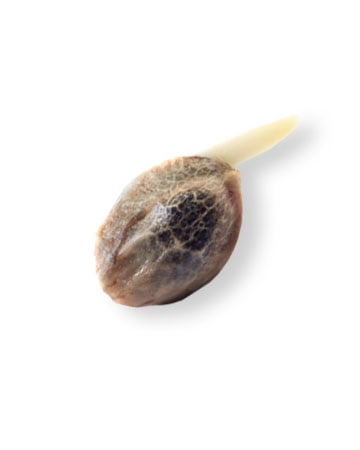


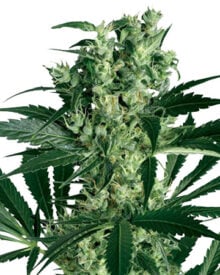
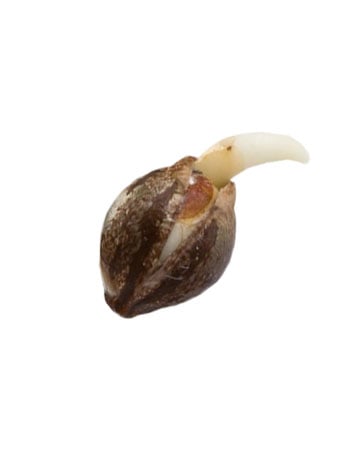




Durban Poison: South Africa’s Finest
Mel Frank, author of the Marijuana Grower’s Guide Deluxe is responsible for modifying the strain’s gene pool. The crossbreeding of this strain led to there being two phenotypes with “A” line being what we now know as Durban Poison. Durban Poison has won multiple awards including 2nd place for Best Sativa at the NW Cannabis Classic and 7th place for outdoor at the Emerald Cup. These awards only increased the popularity of the strain giving it a well-known reputation in the cannabis world.
Growing Tips for Our Seeds
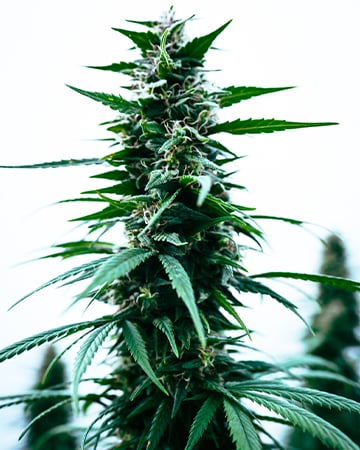
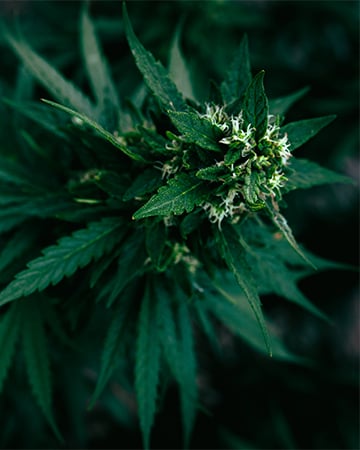
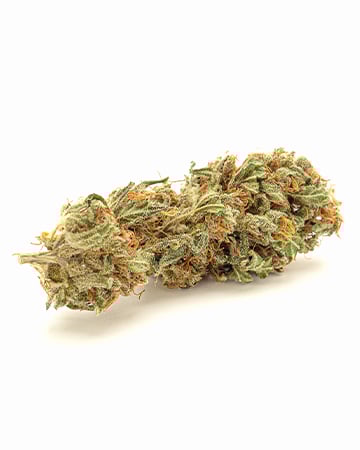
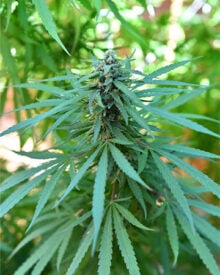
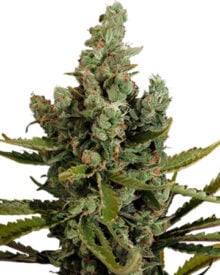
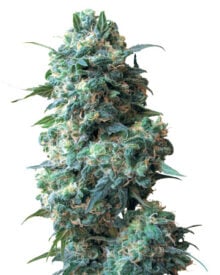
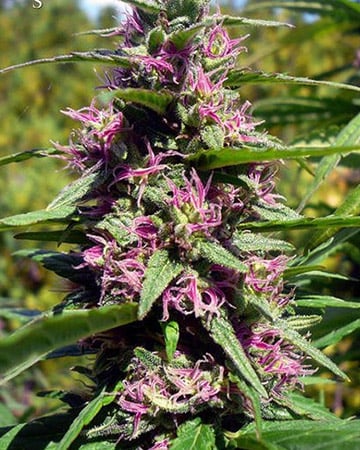
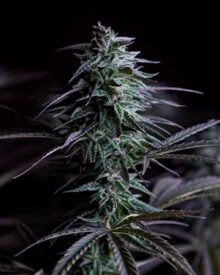
Durban Poison Is an easy strain to grow for beginners and its effects make it a favorite among seasoned cannabis cultivators. The leaves of this plant grow in super dark emerald green while the buds, when harvested, will be lighter green with flashes of amber hairs and white crystals. The yields are similar between indoor and outdoor grows and the plant height is tall while also being relatively thin. It’s an easy plant to grow in outdoor gardens with limited space or indoor setups with high ceilings and narrow walls. Great for a hydroponic closet setup.
Dial in Your Growing Conditions
- Indoor or Outdoor: Growing Durban Poison is well worth the effort needed to bring this strain to harvest. The desired temperature for Durban Poison ranges between 70 to 80 degrees fahrenheit. The plant requires lots of light , so if you live in a warm sunny climate year round, you can continuously grow this strain without issue. Spring and Summer grows are better for cooler climates. Well drained soil and a slightly acidic PH, in addition to fertilization and water are needed as well.
- Moisture control: Durban Poison requires 50% humidity during the vegetative stage and between 40% during the flowering period to keep mold and mildew at bay. Both the vegetative and flowering stage humidity levels are easy to replicate indoors.
- Training Techniques: Durban Poison plants should be pruned and trained to prevent overcrowding. The biggest key in training your Durban Poison plant is maintaining your temperature and humidity levels.
The Germination Game Plan
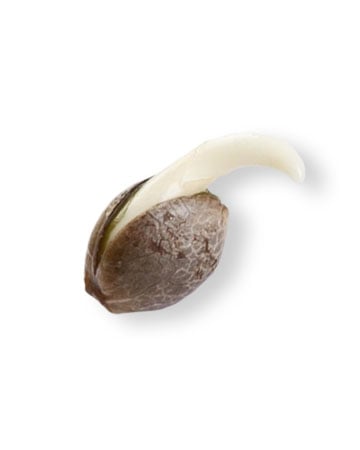
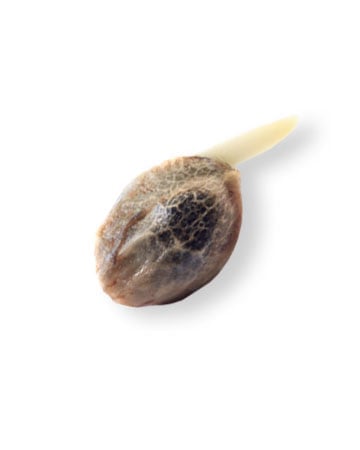
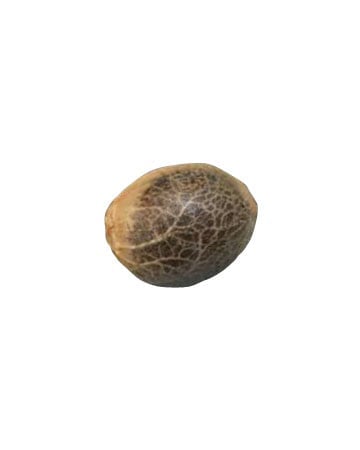
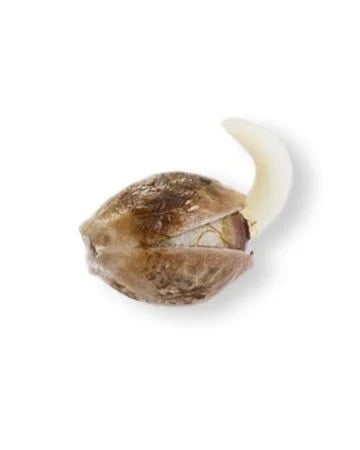
Before you even plant your Durban Poison female cannabis plants, you will first need to germinate these seeds. To do so, refer to our free germination guide, knowing that they are backed by our impressive 90% germination guarantee.
Yields, Flowering Time and Harvest
- Flowering Time: With an indoor grow you can expect Durban Poison to harvest between 60-70 days. Outdoor growers who start growing in May or June can anticipate flowering between late-September and late-October.
- Yields: Indoor yields are 350 grams per square meter, while outdoor grows typically produce up to 450 grams per plant. Both indoor and outdoor yields of this particular plant are favorable.
Dominant Terpenes in Durban Poison: Simple Science
Durban Poison’s terpene profile is slightly different than other strains because of where it comes from originally. The super warm and dry conditions of the South African climate have a lot to do with the terpene profile of this delicious bud.
- Terpinolene: The Most Dominant Terpene – Found in nutmeg, cumin, and apples this spicy terpene assists in not only the sweetness of the strain but that stand out taste and flavor profile.
- Myrcene: Earthy Aroma – The myrcene in Durban Poison is also found in mangoes, hops and thyme and is directly responsible for it’s taste and scent.
- Pinene: Freshness – Pinene can be found in pine needles, rosemary, and basil. This is the third most dominant terpene in Durban Poison.
Dominant Cannabinoids in Durban Poison:
Cannabinoids, although in the background, play an important role in Durban Poison and are a huge part of the genetic makeup of cannabis in general. The uplifted happy and energetic feeling you get when you enjoy this strain is because of the terpenes and cannabinoids within the flowers on a chemical level. When you better understand what makes cannabis do what it does, you will have more success in every step of the process. From germination to harvest.
- THC: The Main Character – THC is the most dominant cannabinoid on the molecular level of Durban Poison. The crystalline compound tetrahydrocannabinol is the main ingredient of cannabis. Topping out at a more than modest 20%, the THC in the 100% sativa strain is responsible for the head and body high you get when you use it. The high THC levels in Durban Poison will keep you on your feet all day long.
- CBD: Low Doses – CBD is a cannabinoid that is not psychoactive but is commonly used for relaxation.
Characteristics
Strain Genetics |
South African Sativa Landrace |
|---|---|
Blend |
100% Sativa |
Plant Sex |
Feminized |
Strain Type |
|
Flowering Time |
60-70 days |
Flowering Type |
Photoperiod |
THC Content |
20% |
CBD Level |
|
Effects |
Depression, Happy, Energetic, Uplifted |
Flavor |
Earthy, Pine, Sweet |
Indoor Yield |
350 g per m2 |
Outdoor Yield |
450g per plant |
Growing Difficulty |
|
Where to Grow |
|
Plant Height |
|
Seed Type |
|
Yield Levels |
Moderate Yield |
FAQ for Durban Poison
What kind of effects does Durban Poison have?
How strong is Durban Poison?
What does Durban Poison taste and smell like?
Is Durban Poison a good strain for beginners to grow?
What growing conditions does Durban Poison prefer?
Reviews
Only logged in customers who have purchased this product may leave a review.
Showing 1-10 of 422


 22% THCa
Super Lemon Haze
Now$17.21
 25% THCa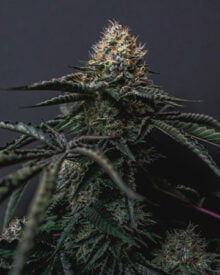

ava_p Verified Buyer
Five-year retrospective on Durban Poison: in rotation every year without being the only thing I grow. The terpinolene-dominant sweet-spicy aroma is the most historically distinctive in my collection. The pure sativa effect profile is the clearest example in my experience of what ‘clean sativa’ means as a category. The cultivation requires specific height management and terpinolene-preservation drying, both of which are simple once understood. Each year some modern hybrid claims to replicate the Durban Poison character. Each year the comparison confirms that the landrace produces something specific that the hybrids reference but don’t reproduce. The original remains the reference.
SARPET7 Verified Buyer
Durban Poison in five words: South African. Sweet-spicy. Pure sativa.
EdwardF39 Verified Buyer
The resin glands on Durban Poison at harvest are notably larger than most sativa genetics I’ve grown. Visible to the naked eye and under a loupe as chunky, prominent trichome heads. This is the characteristic that makes Durban Poison a specifically good extraction candidate.
hamilton23 Verified Buyer
Pure sativa that doesn’t punish you for growing it indoors. That’s the achievement.
golden_flux_23 Verified Buyer
I run one indoor and one outdoor grow each year. Indoor DP for consistency. Outdoor DP for curiosity. The outdoor version is taller, more aromatic at harvest, and produces the same sweet-spicy terpene profile that the indoor develops by week three of cure.
AS24 Verified Buyer
The outdoor plant last season reached 205cm. I’m 178cm. Looking up at the plant in late September with spear-shaped colas developing in the afternoon light was genuinely impressive. The genetics in their preferred environment produce something that rewards growing them outdoors.
xin_coffee95 Verified Buyer
The sweet-spice aroma from a well-cured Durban Poison jar stops conversations.
SharonCross Verified Buyer
The cure specifically benefits Durban Poison because the terpinolene is among the more volatile terpene compounds — it’s the first to degrade with improper storage or fast drying. Slow dry at 18-20°C and 55-60% RH, followed by a minimum two-week cure in sealed glass, preserves the bright sweet-spicy character that distinguishes the cured flower from what the plant smelled like during the grow.
jeffreyb Verified Buyer
Pure sativa that finishes in eight weeks. I’ll keep saying it because it’s still remarkable.
foxgg Verified Buyer
Terpene stability at storage: cured flower at 18C and 62% RH maintained terpinolene expression at day-21 intensity through day 60. At 24C same humidity, measurably reduced by day 45. Cool storage is required for long-term terpinolene preservation.